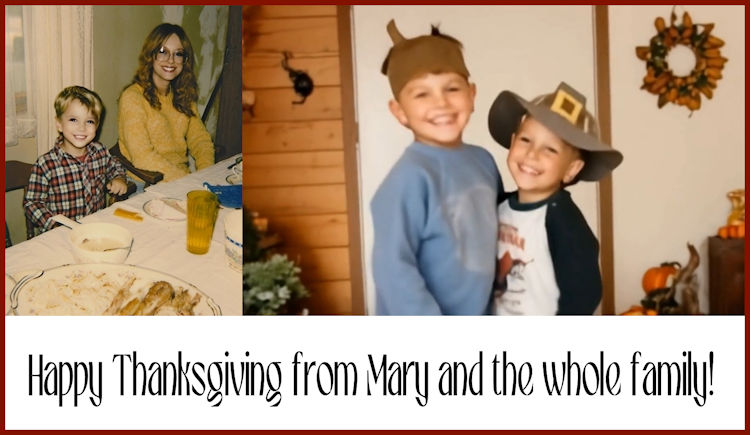
A mix of 1988 and 1989 Thanksgivings.
A mix of 1988 and 1989 Thanksgivings.
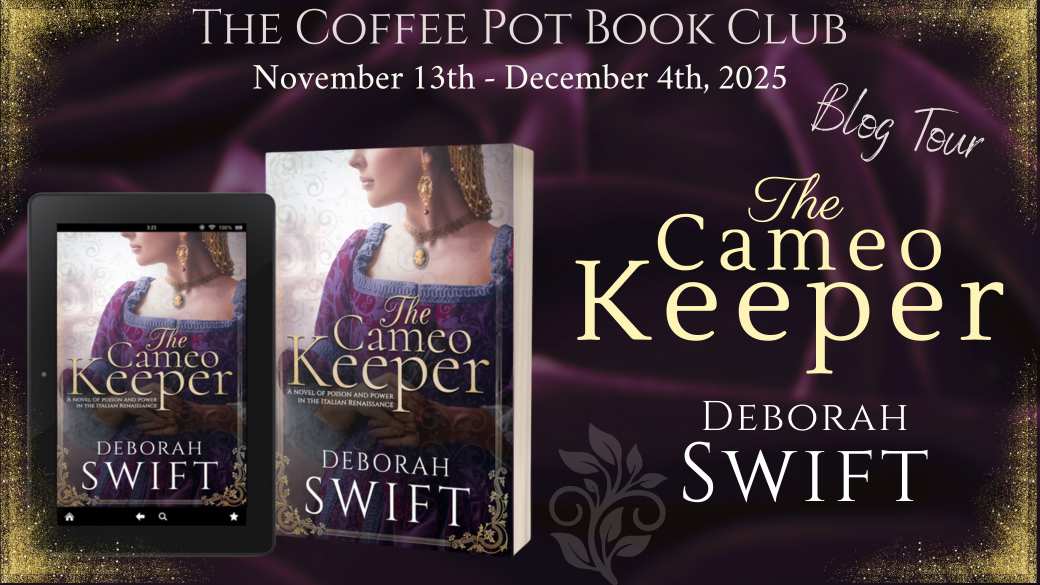
Book Title: The Cameo Keeper
Series: Giulia Tofana Series
Author Name: Deborah Swift
Publication Date: 11th November
Publisher: Quire Books
Pages: 370
Genre: Historical Fiction
Any Triggers: n/a
Twitter Handle: @swiftstory @cathiedunn @marylschmidt
Instagram Handle: @deborahswiftauthor @thecoffeepotbookclub
Hashtags: #HistoricalFiction #Renaissance #GiuliaTofana #Poison #BlogTour #TheCoffeePotBookClub
Tour Schedule Page: https://thecoffeepotbookclub.blogspot.com/2025/10/blog-tour-the-cameo-keeper-by-deborah-swift.html
Book Title and Author Name:
The Cameo Keeper
by Deborah Swift
Audiobook read by Diana Croft
Blurb:
Rome 1644: A Novel of Love, Power, and Poison
Remember tonight… for it is the beginning of always ― Dante Alighieri
In the heart of Rome, the conclave is choosing a new Pope, and whoever wins will determine the fate of the Eternal City.
Astrologer Mia and her fiancé Jacopo, a physician at the Santo Spirito Hospital, plan to marry, but the election result is a shock and changes everything.
As Pope Innocent X takes the throne, he brings along his sister-in-law, the formidable Donna Olimpia Maidalchini, known as La Papessa – the female Pope. When Mia is offered a position as her personal astrologer, she and Jacopo find themselves on opposite sides of the most powerful family in Rome.
Mia is determined to protect her mother, Giulia Tofana, a renowned poisoner. But with La Papessa obsessed with bringing Giulia to justice, Mia and Jacopo’s love is put to the ultimate test.
As the new dawn of Renaissance medicine emerges, Mia must navigate the dangerous political landscape of Rome while trying to protect her family and her heart. Will she be able to save her mother, or will she lose everything she holds dear?
For fans of “The Borgias” and “The Crown,” this gripping tale of love, power, and poison will keep you on the edge of your seat until the very end.
Praise:
‘historical fiction that is brisk, fresh and bristling with intrigue’
~ Bookmarked Reviews ★★★★★
Buy Link:
Universal Buy Link: https://mybook.to/CameoKeeper
Around the edge of the piazza the purveyors of predictions had ceased their trade. Mia had no clients; all business was in hiatus. It would be today, she was certain. A tingle ran up her spine. Today there would be a decision and the clang of St Peter’s bells would make the crowd cover their ears, and the name of the new Pope would be on everyone’s lips.
How did the people know? They could feel it by the trembling in the air, the ripeness of it. Mia had consulted the signs in the stars and found this to be the ordained date, the one where everything in the heavens aligned; after all, the city had waited more than a month since the August heat, and now even the brokers were silent, waiting to hear if their wagers would pay them or bankrupt them. They’d had enough of the black smoke; everyone dreaded more of that.
The cardinals in their red robes had sailed from all over Christendom. Once gathered together, they’d sworn the oath of secrecy, and at the Latin command extra omnes, the world had been shut out, because inside the secret cloisters of the Vatican, the cardinals were electing their new Pope. Mia clutched Jacopo’s arm as they waited in the crush with all the other citizens whose livelihoods depended on the outcome of this election.
‘Let’s hope it’s the end for the Barberini family,’ Jacopo whispered.
Pope Urban VIII had been dead since July, but his brothers and nephews, all appointed by him as cardinals, had hired mercenaries to bully people into supporting their candidate Cardinal Sacchetti, in accordance with the wishes of the French.
‘I wouldn’t count on it,’ Mia said. ‘Antonio Barberini’s let it be known that he’s prepared to die in there before he’ll let the Spanish, or anyone but Sacchetti, win.’
Jacopo made a face. ‘Their scaremongering has only increased opposition to him, as if there were not already enough. No-one likes to be bullied. There’ll be an underhand deal going on in there somehow for the Barberinis to have free passage somewhere. They know they can’t win and they’ll be looking to save their skins. People can smell the stink of Barberini corruption from the city gates, and they’re looking for someone who can heal those wounds.’
Near the front of the crowd, the ambassadors, resplendent in their velvets and brocades, stood inside their circles of condottiere, their bodyguards – French on one side, Spanish on the other, the men who’d been at war with each other for thirty years. So for weeks there’d been riots and fights over who would win this election, and which of the two factions would have the right to plunder the furniture and fittings in the dead Pope’s cell and palace.
Mia’s eyes were fixed on the loggia overlooking the square, waiting for the carpenters to start demolishing the wooden walls that had sealed the conclave shut – the first sign that a new Pope had been elected.
Beneath it sat two groups of dignitaries on raised platforms. On one side the Barberinis, a group of restless shifting men, and on the other the Pamphilis. Mia’s eye was drawn to this group because seated in the centre of the group was a woman, a widow by the look of her, veiled, but absolutely still.
‘Who is she?’ she asked Jacopo, pointing.
‘Donna Olimpia Maidalchini. Pamphili’s sister-in-law. She’s—’
His words were cut off. The clamour of the bells was as sudden as a thunderclap. The crowd let out a collective gasp and the pigeons on the roof wheeled away like papers in the wind. Behind Mia, a man bellowed and surged bodily forward, so Mia had to clutch her skirts to keep from falling, but she clung to Jacopo’s arm as she was dragged into the crush. An eruption of noise, followed by a cheer that seemed to rock the ground.
The crowd pulled them along. Mia craned over their heads to see men with sledgehammers splintering the wood in their haste to smash down the boards, for already a tide of people were thrusting towards the balcony of St Peter’s Basilica, to see who would become Pope, leader of Rome and the whole Christian world.
Author Bio:
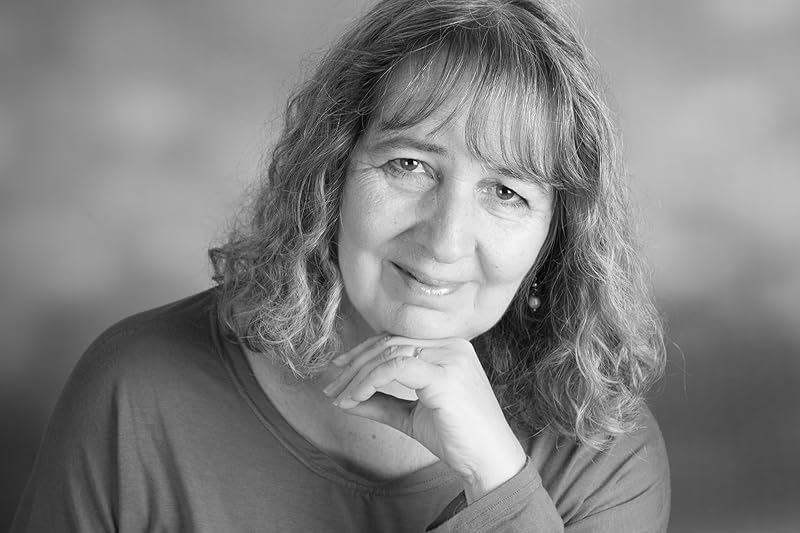
Deborah Swift is the author of twenty novels of historical fiction.
Her Renaissance novel in this series, The Poison Keeper, was recently voted Best Book of the Decade by the Wishing Shelf Readers Award. Her WW2 novel Past Encounters was the winner of the BookViral Millennium Award, and is one of seven books set in the WW2 era.
Deborah lives in the North of England close to the mountains and the sea.
Author Links:
Website: www.deborahswift.com
Instagram: https://www.instagram.com/deborahswiftauthor/
Twitter / X: https://twitter.com/swiftstory
Facebook: https://www.facebook.com/authordeborahswift/
Pinterest: https://www.pinterest.co.uk/deborahswift1/
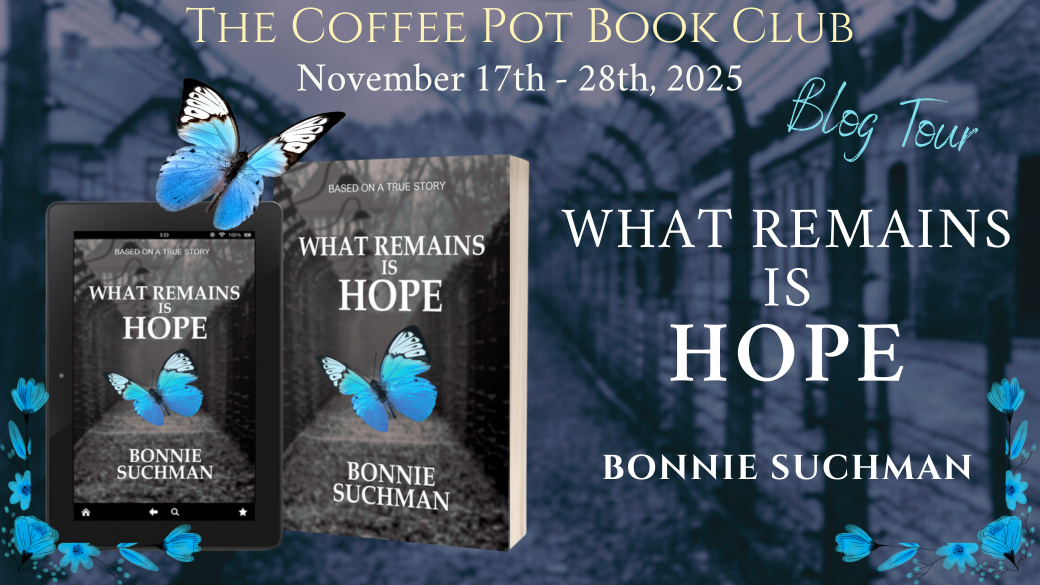
Book Title: What Remains is Hope
Series: The Heppenheimer Family Holocaust Saga
Author Name: Bonnie Suchman
Publication Date: October 2, 2025
Publisher: Black Rose Writing
Pages: 360
Genre: Historical Fiction
Any Triggers: Holocaust
Twitter Handles: @BonnieSuchman @cathiedunn @marylschmidt
Instagram Handles: @bonniesuchmanauthor @thecoffeepotbookclub
Hashtags: #HistoricalFiction #Holocaust #FamilyHistory #BlogTour #TheCoffeePotBookClub
Tour Schedule Page: https://thecoffeepotbookclub.blogspot.com/2025/10/blog-tour-what-remains-is-hope-by-bonnie-suchman.html
Book Title and Author Name:
What Remains is Hope
Bonnie Suchman
Blurb:
Beginning in 1930s Germany and based on their real lives, four cousins as close as siblings—Bettina, Trudi, Gustav, and Gertrud—share the experiences of the young, including first loves, marriages, and children.
Bettina, the oldest, struggles to help her parents with their failing business. Trudi dresses in the latest fashions and tries to make everything look beautiful. Gustav is an artist at heart and hopes to one day open a tailoring shop. Gertrud, the youngest, is forced by her parents to keep secrets, but that doesn’t stop her from chasing boys. However, over their seemingly ordinary lives hangs one critical truth—they’re Jewish—putting them increasingly at risk.
When World War II breaks out, the four are still in Germany or German-occupied lands, unable or unwilling to leave. How will these cousins avoid the horrors of the Nazi regime, a regime that wants them dead? Will they be able to avoid the deportations and concentration camps that have claimed their fellow Jews? Danger is their constant companion, and it will take hope and more to survive.
Praise for What Remains is Hope:
“Readers will find this follow up to Suchman’s prior novel, Stumbling Stones, both a heartbreaking reminder of the Holocaust’s atrocities and a compelling tribute to a family’s refusal to surrender to despair…Richly compelling Holocaust account, centered on the power of hope.“
~ Booklife by Publishers Weekly
“Author Bonnie Suchman has a way of making every moment count with her characters in a narrative that feels powerfully real as she spins deeply personal stories against a sweeping and tragic backdrop of history. ..What Remains is Hope is historical fiction at its best, and I’d highly recommend it to fans of gripping fiction that’s emotionally resonant and grounded in truth.“
~ K.C. Finn for Readers’ Favorite
Excerpt 1:
Frankfurt
June 1996
A taxicab pulled up to the hotel’s front door, and the old woman walked outside. The driver got out of the car, presumably to help her. She waved him back into the car. “Thank you, but I can get into the taxi without any help. I just need you to take me to the Hauptwache.” It felt strange to speak with him in German, but she didn’t want the driver to think she was a tourist, to overcharge her. But the truth was her German felt rusty, and everything around her was unfamiliar.
As the taxi navigated the narrow streets, she tried to get her bearings. She had not been in Frankfurt since the end of the war. The buildings she now saw were mostly modern and functional. Nothing seemed to remain from the Frankfurt of her youth. The Allied bombings during the war had seen to that.
The taxi soon reached the Hauptwache. The driver stopped the car and got out to help her. This time, she let him. She paid the fare, including a generous tip, and walked into the plaza. Looking around, the only building she recognized was the small building in the center, where she would be having lunch with her cousins – Café Hauptwache. While planning her trip, she had read an article about how the government had preserved the café while they were digging for the subway, since it was one of the few buildings in the inner city not destroyed during the war. She remembered the café from her childhood and thought this would be a good place to meet her cousins for lunch. Standing in the plaza now, she realized she had made the right decision.
She had no memory of ever going to Café Hauptwache with her cousins. They frequented a different café since Café Hauptwache was too fancy for them. Instead, she went to Café Hauptwache with her mother after a morning of shopping on the Zeil, the main shopping street in Frankfurt. There had been plazas on either end, sandwiching the Zeil. She and her mother would start at the Konstablerwache Square on the east side of the Zeil and walk west until they reached the Hauptwache. If it was a warm day, they would eat outside. But on cooler days, they would go inside and enjoy the warmth and coziness of the café.
She looked at her watch. She still had an hour before lunch. She had intended to arrive early for lunch but had not expected to be this early. She decided to walk along the Zeil to pass the time. As she was leaving the plaza, she noticed a giant shopping mall, perhaps ten stories tall. Certainly not anything like the stores she remembered. In fact, she had the same feeling she had in the taxi – nothing was familiar.
Sitting down on a bench, she caught sight of the building to her right. It was a nondescript structure, with shops on the first level. But something was so familiar about the location. She stared at the building. And then she remembered. This was where Kaufhaus Wronkers had been. She could almost see it now. It had been the largest department store in Frankfurt and her favorite place to shop for clothes, with multiple floors of ready-to-wear clothing and a shop for tailor-made items. The Wronkers were well-regarded philanthropists in the Jewish community, and her mother always spoke with Frau Wronker when she was in the store. That special store was just one among many driven out of business by the Nazis. The building was destroyed during the war, and the Wronkers were murdered in Auschwitz.
She stood up from the bench and continued her walk, searching for something else that was recognizable, but even the names of the streets were unfamiliar. She remembered one street that was near the Zeil – Allerheiligenstrasse – but she couldn’t find it. That was the street where Café Goldschmidt had been. The café she and her cousins always frequented. The café was four stories and had multiple rooms, including a gaming hall and a ladies’ salon. The cousins preferred one of the smaller rooms on the first floor that served the café’s famous cheesecake. They would sit for hours, talking and drinking coffee, until one of the waiters would finally ask them to leave. The café was often referred to as “Café Jonteff,” which meant holiday in Yiddish, since Jews could come on the Sabbath and pay for their food later in the week. But Café Goldschmidt had closed during the 1930s and its owner perished in one of the camps. As she continued down the Zeil, she tried to remember the site of her favorite dressmaker and the local cinema. Newer buildings had replaced them. She felt like one of those old buildings, out of place in this new Frankfurt.
Glancing at her watch, she saw it was time to walk back to the café. She felt surprisingly good at the moment, notwithstanding a bit of jet lag. Friends often told her she acted like a much younger woman, and she did feel that now. She also kept her sense of humor, smiling as she recalled how she invited her cousins to lunch. She sent them letters in code – the cousins’ code. The code that allowed them to evade the censors. The code that helped them keep track of each other during the war. The code that sometimes kept them alive. She hadn’t used the code since the war ended, but it came right back to her as she was crafting the letters.
She retraced her steps back to the café. She was still a little early but walked in anyway. She was ready to sit down. A number of tables were empty, including a few near the windows.
A waiter came up and asked, “Meine Dame, how can I help you?”
She replied in German, “I would like a table for four for lunch by the window.” She was feeling a little more comfortable using her German. The waiter smiled at her and grabbed four menus.
As she sat down and looked at the menus, she realized her error, but said nothing to the waiter. I’m sure it’s just jet lag, she said to herself. Or she was feeling anxiety about the day’s upcoming event. She had a knot in the pit of her stomach. Or, perhaps, being back in Frankfurt has triggered old habits, when there were four of them. Because now there were just the three.
She felt the hole the few times the three had been together since the end of the war, without the fourth cousin. The cousin who had perished in the Holocaust.
The old woman had come to Frankfurt this time, as had her cousins, to attend the opening of the Holocaust Memorial, which would include blocks on a wall memorializing all the victims of the Holocaust from Frankfurt, including that lost cousin. That was one of the reasons they were meeting in Frankfurt. But the other, and more important, reason was that they had made a promise to their cousin that they needed to fulfill, together, and in Frankfurt.
Buy Link:
Universal Buy Link: https://books2read.com/u/mvJNLV
This book is available to read on #KindleUnlimited.
Author Bio:
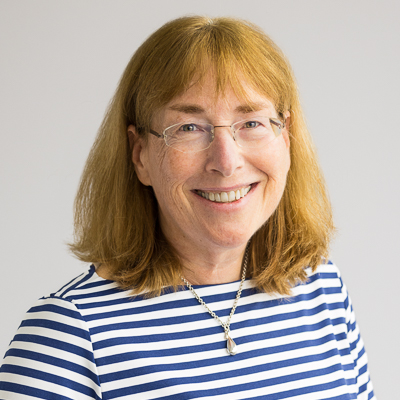
Bonnie Suchman has been a practicing attorney for forty years. Using her legal skills, she researched her husband’s 250-year family history in Germany, publishing the award-winning, non-fiction book, Broken Promises: The Story of a Jewish Family in Germany, as a result.
Those compelling stories became Suchman’s Heppenheimer Family Holocaust Saga. The first in the series, Stumbling Stones, was a Finalist for the 2024 Hawthorne Prize for Fiction, and recently, her family traveled to Frankfurt, Germany, to install stumbling stones for her husband’s Great Aunt Alice and her husband Alfred, the real-life characters in the book.
What Remains is Hope is the second novel in the saga. In her free time, Bonnie is a runner and a golfer. She and her husband reside in Potomac, Maryland.
Author Links:
Website: www.bonniesuchman.com
Twitter / X: https://twitter.com/BonnieSuchman
Facebook: https://www.facebook.com/profile.php?id=61556457672565
Instagram: https://www.instagram.com/bonniesuchmanauthor/
Pinterest: https://www.pinterest.fr/bonniesuchman/
Book Bub: https://www.bookbub.com/authors/bonnie-suchman
TikTok: https://www.tiktok.com/@bonniesuchmanauth
Amazon Author Page: https://www.amazon.com/stores/Bonnie-Suchman/author/B09L3BDVRQ Goodreads: https://www.goodreads.com/book/show/236761983-what-remains-is-hope
Giveaway ends December 20, 2025.
See the giveaway details at Goodreads.
Giveaway ends December 20, 2025.
See the giveaway details at Goodreads.
From Amazon:
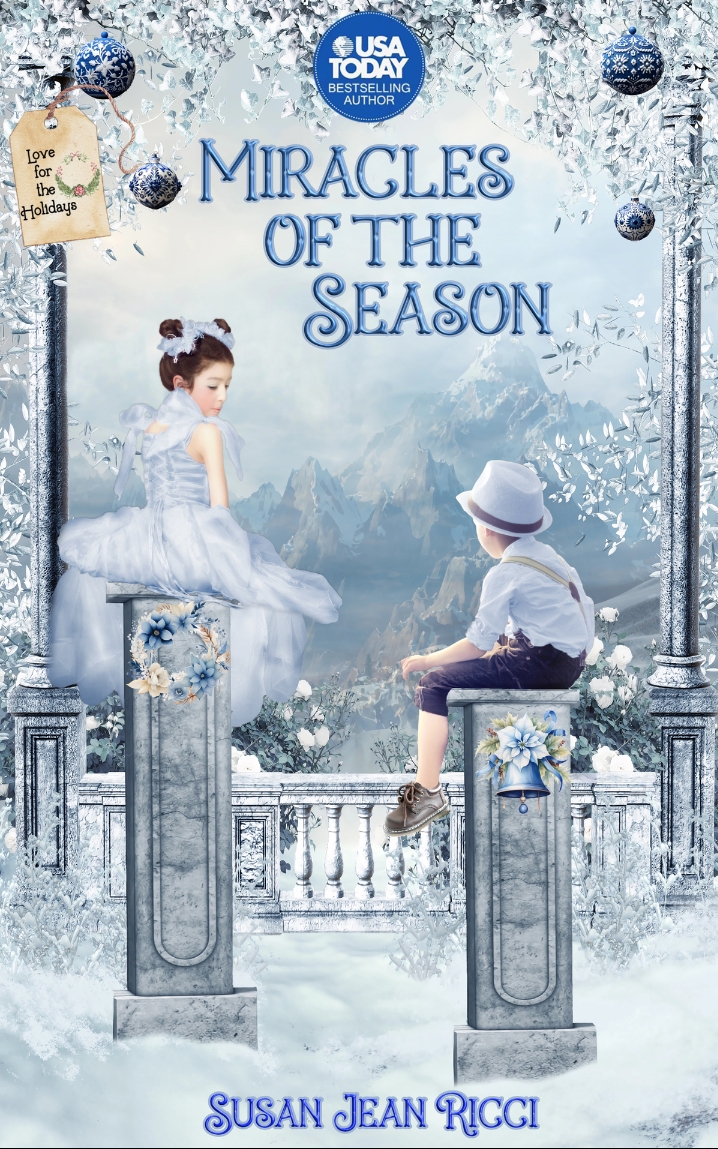
After the devastating loss of their baby, Dalia and Oliver Olson, two world-famous musicians, retreat to their new friends’ Christmas tree farm, hoping the seclusion and respite from the bright lights of the music circuit will help them heal and restore their missing intimacy.
Away from the spotlight, Dalia and Oliver, with their surviving child, begin to rediscover the rhythm of love, one tender note at a time. As guests of Chloe and Jack Twiggins, the tree farm owners, they experience the magic of the season in a home filled with Christmas joy and laughter, which helps rekindle their passion in their hearts.
Rejoice as both couples discover that miracles don’t always need divine intervention, because sometimes the lure of passionate reconnection is simply opening each other’s hearts to each other once more, during the magic of the Christmas season.
My Review:
This was a heartfelt read. It was hard to read as I’ve lost a baby and a little boy. I had empathy for both women and their husbands. A chance run in, literally, went full circle. Characters had depth. Life eventually goes on but one NEVER forgets their babies and children who sufferred and died, ever, as it nevers gets easier. One may not think about their loss as often, but the heart knows and I remember every single day.
Giveaway ends December 20, 2025.
See the giveaway details at Goodreads.
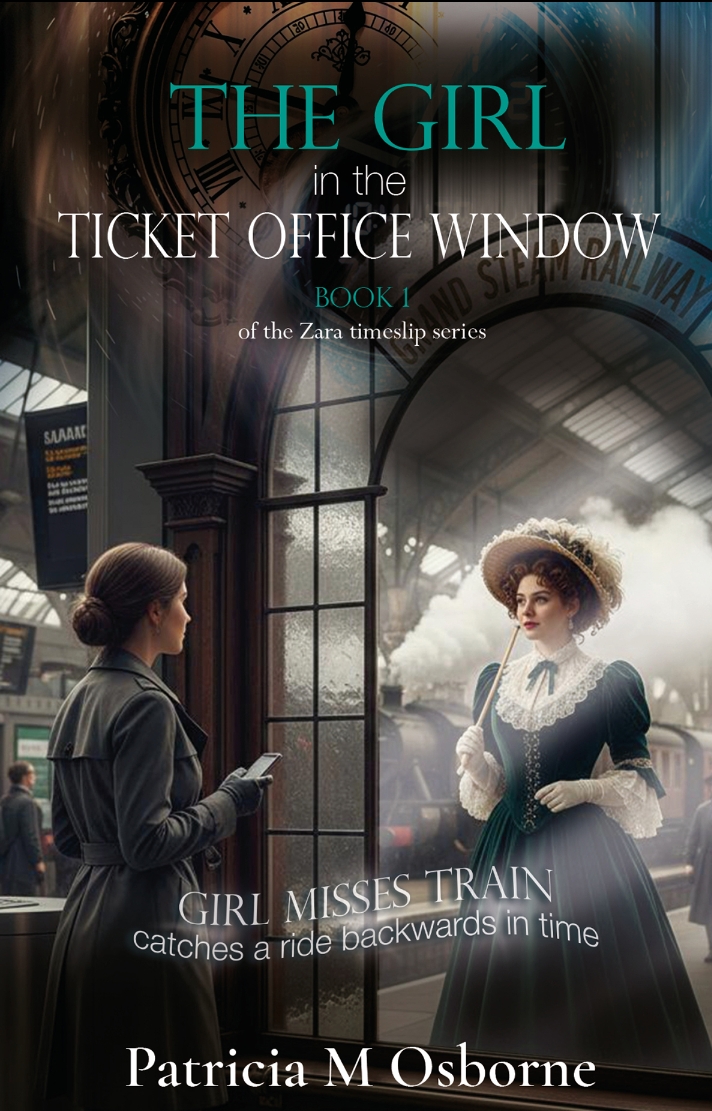
From Amazon:
Girl misses train – catches a ride backwards in time
Journalist Zara Wiseman discovers an unexpected story for Feminine Smile Magazine when she finds herself transported back to 1910 and becomes Lady Rebecca. Initially the 24-year-old believes her quest is to save Rebecca from an arranged marriage to Sir Richard Cavendish but soon realises he’s not the true villain. As Zara unearths two deadly dark secrets, she fears Rebecca and Sir Richard’s lives could be in danger.
Torn between travelling back in time to save Rebecca and Richard and leaving her own life behind, Zara summons all her strength to fulfil her mission. With a dual timeline slipping between present day and 1910, Zara is caught in a love triangle with dishy boyfriend, Scott, and Sir Richard, the dashing and devoted gentleman.
Can Zara accomplish her mission?
Will she find her way back home?
Will she want to?
My Review:
I finished this book two days ago and I was amazed. I wanted to read it as I’ve read all of the other books this author has written and I wanted to see if she could wrtite a book with time slips. I was intrigued. The author can write about time slips very well. To be current and in the Edwardian era brought home the differences between men and women and their social standing and rights in both time periods. I can see how this book would be great for a trilogy. I felt the love and how drawn the main character was. Thanks for a great read!

It’s gold! It’s shiny! And it’s for Shadow! Shadow won! Shadow made it past the Finalist round and then Shadow won!
From William Potter:
We are pleased to announce that Shadow is a Winner in the 2025 IAN Book of the Year Awards!
After the first round of judging, Shadow was selected as a finalist in the “Animals/Pets/Nature” Category.
When judging completed, Shadow was selected as the “Animals/Pets/Nature” Category Winner.


Book Title: A Virtuoso in America: Book Two, Adrian
Series: n/a
Author Name: Fred Raymond Goldman
Publication Date: July 30, 2025
Publisher: Historium Press
Pages: 272
Genre: Historical Fiction
Any Triggers: n/a
Twitter Handle: @cathiedunn @marylschmidt
Instagram Handle: @thecoffeepotbookclub
Hashtags: #HistoricalFiction #WWII #JewishFiction #Holocaust #BlogTour #TheCoffeePotBookClub
Tour Schedule Page: https://thecoffeepotbookclub.blogspot.com/2025/10/blog-tour-a-virtuoso-in-america-adrian-by-fred-raymond-goldman.html
Book Title and Author Name:
A Virtuoso in America: Adrian
by Fred Raymond Goldman
Blurb:
How do you reconcile a decision you made in the past when the world erupts in war, threatening the life of someone you love and believe you were protecting?
Adrian Mazurek immigrated to the United States from Krakow, Poland, 14 years ago and is now a successful violin soloist and concertmaster of The Eleventh State Symphony Orchestra in New York. But despite his outward success, Adrian is inwardly harboring a shameful secret, one he has not revealed to anyone.
However, that is about to change. Adrian plans to propose marriage to Suzanne, but he knows he must tell her the truth about his past before doing so. Riddled with guilt and shame, Adrian can barely look at himself in the mirror. How can he look Suzanne in the eyes and tell her that he left his infant son, Simon, in the care of his aunt and uncle in Poland 14 years ago? If only confessing the truth to Suzanne was the most difficult part.
Adrian soon learns that Germany has invaded Poland and World War II has begun. Fearing the Germans will learn that his son is of Jewish heritage, Adrian must do something to ensure Simon’s safety. But what? And will Suzanne stand by his side or will she turn away because of his deceit?
Excerpt 4:
Suzanne and Adrian accepted the contessa’s invitation to dinner for the first week in January. She said there were people she wanted them to meet. Adrian speculated they were people of influence who might be able to help him locate Simon. He looked forward to the dinner.
Paul met them in the lobby and rode them up to the contessa’s apartment. When they got off the elevator, Paul took their coats and led them into the parlor. A group of six surrounded the contessa. She spotted Adrian and Suzanne and came to greet them.
Adrian had the feeling he’d seen one of the men before, but he couldn’t think from where. He didn’t recognize the other guests.
The contessa introduced the three couples to Adrian and Suzanne without any explanations as to their positions. The one who looked familiar was Philip Carter. His wife was Amy. The other two couples were Samson Reed, his wife, Eloise, and William Johnston and his wife, Beverly. They were pleasant, but Adrian felt uncomfortable. Suzanne looked less so. If they were people who could be helpful in locating my family in Poland, the contessa certainly would have told me beforehand, Adrian thought. He was baffled as to the purpose of this dinner. His mind raced for answers, but he couldn’t think of any.
The dinner conversation was light and congenial but uncomfortable for Adrian. He kept wondering why the contessa had pulled this group together. Despite his discomfort, he used his charm to get through the meal.
During dinner, the wife of Samson Reed brought up Suzanne and Adrian’s wedding at Union Hall. “How did you manage that?” she said.
Suzanne smiled, “My father arranged it. He’s the Director of Development for the orchestra. He and conductor McGowan thought it would be good publicity for the symphony.” Suzanne blushed. “I must admit it was a fairy tale wedding ceremony. I’m very grateful to them.”
“I understand you’re the agent for Nick Wells,” Beverly Johnston said. “He’s deliciously handsome and talented.”
Adrian heard her husband clear his throat and place his hand on his wife’s elbow. His wife looked over to him and bit her lip. The other two gentlemen looked at each other quickly then glanced over at the contessa.
Adrian watched this with curiosity. What is going on here?, he wondered.
It wasn’t until after dinner that Adrian got his answer.
“If you don’t mind, we’d like to meet with you in the contessa’s library,” Philip Carter said to Adrian and Suzanne.
Adrian and Suzanne looked at each other. Here it comes, thought Adrian. The real reason we’re here. He took Suzanne’s hand, and they and the three men followed Paul to the library where a bar was set up. Paul left. A slight chill went through Adrian.
Mr. Carter offered Suzanne and Adrian drinks. At their request, he poured Suzanne a glass of white wine and Adrian a brandy. The others filled their glasses, and they sat in a circle of leather and upholstered chairs.
Mr. Carter unwrapped a fresh cigar. He didn’t light it.
“I like to chew on these,” he said, directing himself to Suzanne. “I hope you don’t mind. My wife says it’s a disgusting habit, and she’s right, but I can’t seem to stop.”
Suzanne nodded her approval.
“If you don’t mind, I’d like to get right to the point,” Mr. Carter said. “I know you must be wondering why we’re here tonight and what you have to do with it.” He leaned forward. “The mayor has appointed me to lead a commission to root out Nazi American activities in New York. I must ask that that you keep this meeting confidential.”
Now Adrian knew why he recognized Mr. Carter. His picture had been in the newspapers with the announcement of this new committee by the mayor.
Adrian and Suzanne looked at each other and back at Mr. Carter. They nodded their agreement.
Buy Link:
Universal Buy Link: https://geni.us/6TOaPa
Author Bio:
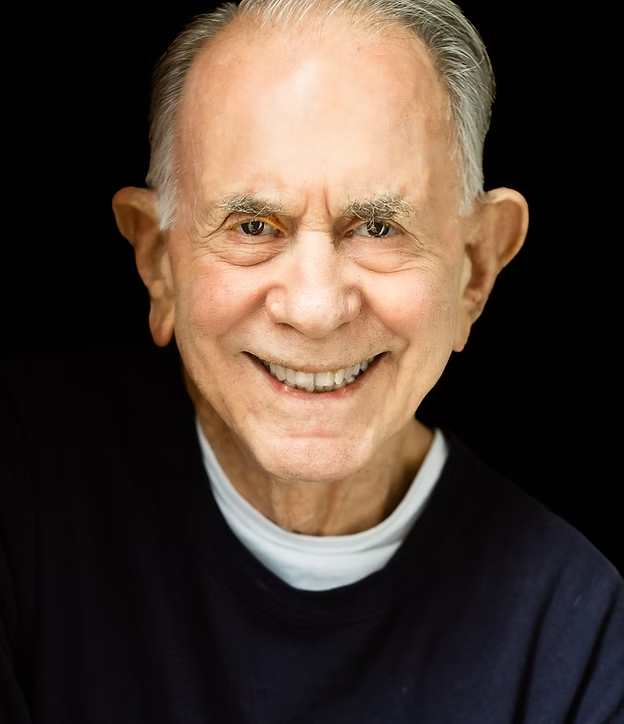
Fred Raymond Goldman graduated from Western Maryland College in Westminster, MD (now McDaniel College) in June 1962 with a B.A. in psychology. In 1964, he earned an M.S.W. degree from the University of Maryland School of Social Work.
Most of his career was devoted to the Jewish Communal Service. He served as the administrator of Northwest Drug Alert, a methadone maintenance program at Sinai Hospital in Baltimore, where he also became the community’s reference point for steering drug abusers to Jewish resources. The work focused on helping individuals achieve abstinence, receive counseling, and find employment.
Following this role, Fred was hired as Assistant to the Director of Jewish Family Services in Baltimore.
The final position in his professional career was with Har Sinai Congregation, a Jewish Reform synagogue in Baltimore, where he served as Executive Director for 23 years before retiring in October 2005.
In retirement, Fred pursued his interests in hiking with The Maryland Hiking Club, exploring nature, and volunteering at The Irvine Nature Center, where he guided schoolchildren on nature hikes and assisted in the Center’s nature store.
Writing had been an interest since childhood, though Fred did not pursue it seriously until retirement. Beginning with children’s books, he became a member of the Children’s Book Writers and Illustrators Association. Among the works he wrote were Vera and the Blue Bear Go to the Zoo, Never Bite an Elephant (And Other Bits of Wisdom), The Day the School Bus Drivers Went on Strike, If You Count, and The Day the School Devices Went on Strike. Although these works were never published, Fred hopes that if the CONCERTO books gain recognition, opportunities for these earlier works may follow.
The journey of writing the CONCERTO companion books began after Fred noticed a note on the local library bulletin board announcing the formation of a writer’s group led voluntarily by a local author. Joining the group with nine others, he learned the essentials of writing—maintaining the protagonist’s point of view, building tension toward a climax, rewriting, and developing complex characters with flaws, peculiarities, and unique personalities.
Over four years, Fred devoted significant time to writing, researching, rewriting, and submitting the manuscript. Originally one book titled The Auschwitz Concerto, the project was later divided into two volumes and self-published. For a time, the title The Box was also considered.
Encouragement from the teacher and fellow writers in the group played a pivotal role in shaping the novels, as Fred also contributed to the successes of others through critique and support.
In the Author’s Notes, Fred explains the purpose of making the books available to the public. Before embarking on the project, he knew little about the Holocaust beyond its staggering toll of nine million lives and its place as one of history’s darkest chapters. In writing the novels, he not only gained deeper knowledge of history and human suffering but also developed a heightened awareness of current issues that demand attention. As he notes, what affects one group of people has the potential to affect all of us.
Author Links:
Author Page on Publisher’s Website: https://www.historiumpress.com/fred-goldman
Amazon Author Page: https://www.amazon.com/stores/Fred-Raymond-Goldman/author/B0C2QMBZ9X
Author site of S. Jackson & A. Raymond
The greatest WordPress.com site in all the land!
Island tourist spot
SHORTS, NOVELS, AND OTHER THINGS
Author Website
Author
read the book of the love fairy,🌷🌷🌷💖💖💝
Share What I love...
Writer and Poet
POETRY RANDOM THOUGHTS AND STUFF LIKE THAT...
~ multi genre writer ~
What are the differences between men and women?
Ideas on writing and baking
The musings of a Londoner, now living in Norfolk
~ Communicator, WordSmith, Artist, Guide, Mentor, Muse ~
Helping You Take as Good Care of Yourself as You Do Others
Life on Molly is a travel and lifestyle blog. I am a normal girl with many passions. I am an explorer of new places, a learner of new languages, creator of my ambitions, blogger, and a good pal. This blog is my little corner of the world where I am able to share my adventures with you and inspire you to live a life full of purpose.
Writings from the heart - for the heart
 When Angels Fly