Archives
Authors – please choose your editor carefully #writingcommunity #amwriting #selfpublishing
Good Morning! ICCD!
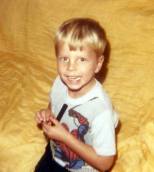
Good Morning! I wanted to write something about childhood cancer today. Today, 15 Feb 2019, is International Childhood Cancer Day. The link to learn more about what ICCD is doing is found here as well. Please visit their site and learn all about what is new and going on with this organization.
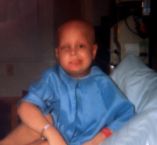
This is something extremely close to my heart, as most of you know that my youngest son, Sammy, suffered a horrid cancer battle. Please pray and send good thoughts and vibes, the world over, for these children.
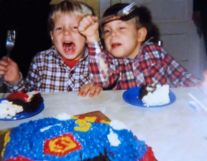
Gold ribbons represent children who have, or had childhood cancer, as well as those who have passed away due to this disease. I have a new ribbon each year, with Sam’s name on it, placed on the Candlelighters National Christmas Tree. But today is International Childhood Cancer Day. I have a One Voice link for you and one in which you, my reader, can Act Now.
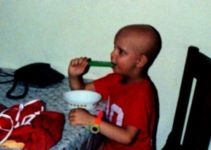
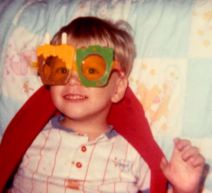
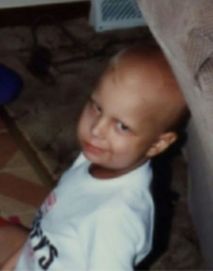
Thank you.
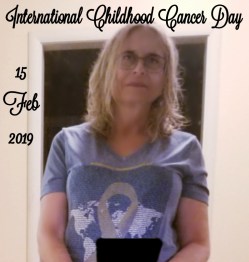
My 2019 ICCD shirt with Sammy’s name on it.
The Plight of Grammar in Writing

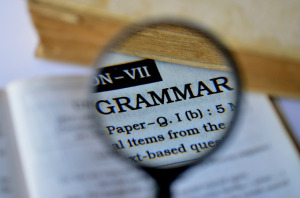
by Doug Lewars
“have it your talking may about you Good can’t what to to reader overrated you’re some idea grammar if ignored. when be but be want writing it entirely comes”
The above is a random collection of words – literally random – I used a random number generator in Excel to produce them; however, before being randomized they were once a coherent sentence. The original sentence was ‘Good grammar may be overrated when it comes to writing but it can’t be entirely ignored if you want your reader to have some idea what you’re talking about.’
View original post 825 more words
7 Signs you Have a Toxic Friend
Writing: Ways to Learn the Craft

Writing is a skill, and like all skills it cane be learned and honed. Some people have a natural talent and flare for certain things, others have to try a little harder. Wherever you stand, if you love writing you should write. And if you’d like to improve and grow there are plenty of ways to do so.
1. Write
Let’s start with the simple and most effective answer. Write. You learn as you do, and you improve as you do. As with all skills, you will get better with practice and perseverance.
2. Read Fiction
If you’re writing fiction, you’ll learn a great deal about what you like/don’t like by reading fiction. You’ll get a sense of what works and what doesn’t. And if you’re going to tell stories, it’s important to get used to the way stories are shaped. (This can also be done by…
View original post 370 more words
UPDATED WRITERS RESOURCES INDEX…

In an ever evolving effort to make this blog a better resource to Authors, Writers, poets and fellow bloggers, I have created these pages to index various external sites and in-blog articles that I hope will be useful, just click on the links below to be taken to the relevant pages:
Smashwords vs. Draft2Digital – by Melinda Clayton…
on Indies Unlimited:
It’s been a while since we’ve had a post outlining the similarities and differences between Smashwords and Draft2Digital (D2D), and since both have made changes over the years, now seems like a good time.
Continue reading HERE
New and Improved Parenting for the New Year

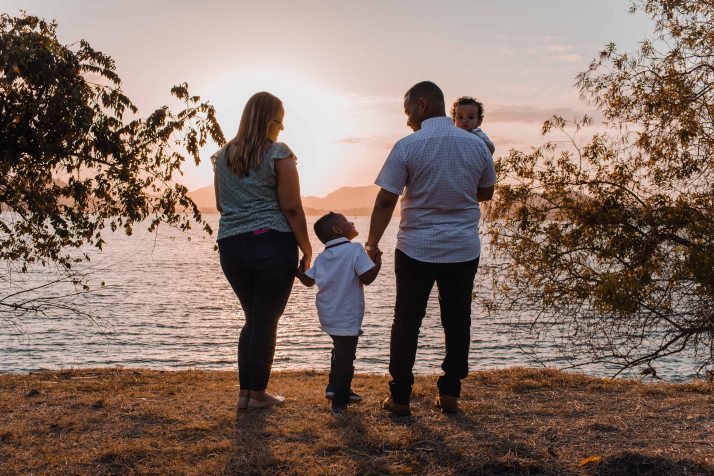
Dr. Valerie Allen
Licensed
School Psychologist ~ Certified Case Manager
New and Improved
Parenting for the New Year
The New Year brings added
attention to the fact that children are in a constant state of growth and
development. One day your daughter is interested in dolls and tea parties and
the next she is experimenting with make-up and high heals. What happened to that lovable little boy who played so nicely with
the puppy? This is the same boy who now thinks you are his private taxi service.
In a matter of weeks or months, children’s needs and behaviors change and so
must our style of parenting. What worked at three may not work as well at 13.
The goal of parenting is to raise children who are independent of us. The job of a parent is to instill values and morals, so the child understands right from wrong and…
View original post 438 more words
Ellie Douglas
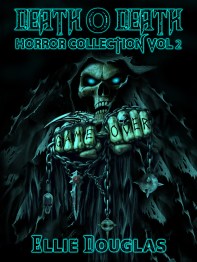
Please welcome Ellie Douglas to my blog this morning. Shall we get started Ellie? The book she is promoting in this post is Death O Death.
Please introduce yourself to those reading this blog post.
Hi everyone, I’m Ellie Douglas, from New Zealand and I’m a horror author 🙂
Has writing always been part of your life and when did you “know” that it was time to start writing your first book?
Writing has been a huge part of my life but I did not recognize it as such, not in the beginning. I had a passion to write when I was very young, but did not pursue it until later in my life. The time then was right for me.
How difficult was it writing your first book?
I think I may have done things a little differently as I found my first book the easiest to write, then the second, third, and so on until around the fourth when it started to get a little harder and so far has continued that way.
Have you ever wanted to give up and what stopped you?
I have had a few moments where I thought to myself that I should move on and do something else, but I carried on, because I enjoy it so much, and I can’t see myself doing anything different.
Who is the most supportive of you and your dream to be a writer?
My husband and my brother Robert 🙂
What is the best advice given to you (book or otherwise), and by whom?
The best advice is to be yourself. To not change your style to suit that of others. I can’t remember who had told me that as it was such a long time ago.
What is your target audience and what aspect of your writing do you feel targets that audience?
My target audience is adults. Due to the graphic nature of the horror I write.
Did the cover evolve the same way, or did you work with someone to make it come together for you?
I am a cover artist by trade, which is what I was doing before I wrote my books. I still make pre-made covers for authors as well 🙂 So my covers are from my own designs and I have a tendency, when an idea strikes about a new story I want to write, I usually work on the cover before I even finish writing. Sometimes before I even start writing as I find it a great motivator and often something visual like that gets the mind ticking. (I love that idea! Using your cover as a muse!)
What are you working on now? Can we get a peek, an excerpt?
I’m not working on anything right now.
Any last words before we wrap things up?
If I was to give any advice to fellow writers starting out, be sure to have a professional editor, get beta readers, proof readers and do your research.
Links:
Webpage
YouTube
Google Plus
Goodreads